
When a Morning Greeting Starts to Feel Like More Than a Greeting

A familiar morning exchange can become so ordinary that its deeper shape almost disappears. Somewhere inside repetition, recognition, and expectation, a simple greeting may begin to hold a relationship that neither side ever needed to explain.
When the Routine Is Over Before You Really Notice It
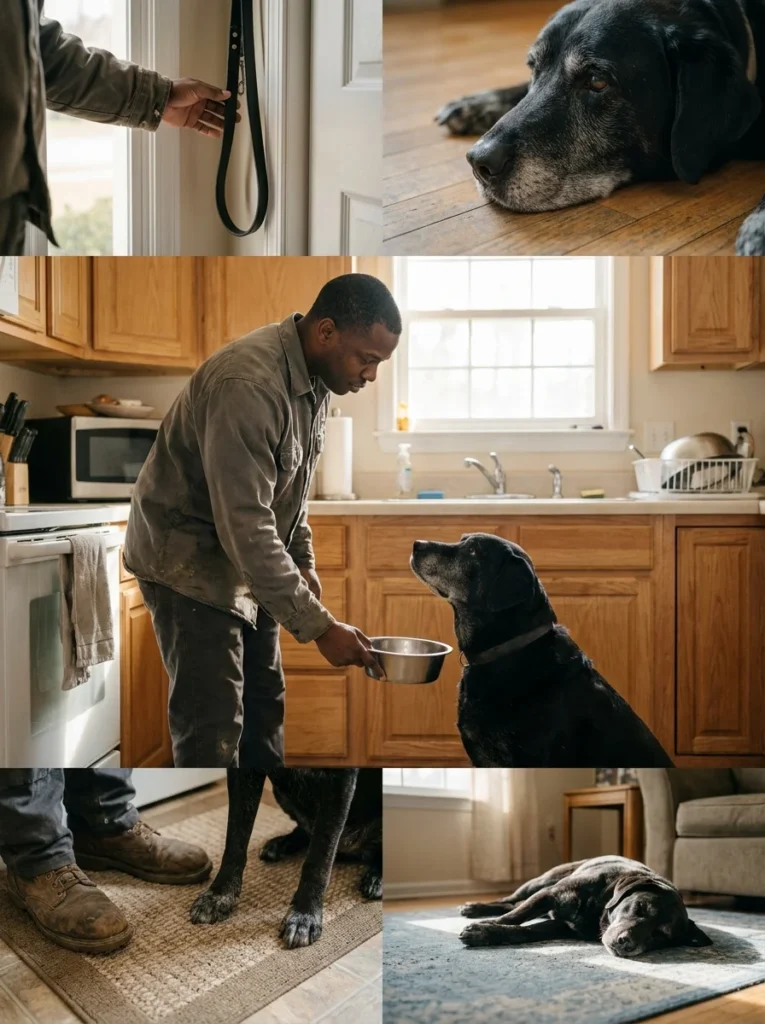
Shared routines can become so efficient that they seem to ask only for completion. But when another living being is part of those ordinary repetitions, moving quickly through them can leave an unresolved question about what, exactly, the routine was holding.
The Schedule Nobody Wrote Down

Some households seem to run on clocks, calendars, and planned obligations. But shared life can develop another kind of timing—one built quietly through repetition, recognition, and the small expectations that become difficult to see precisely because no one ever formally created them.
The Place They Keep Choosing in the Room

Where a companion settles can seem like one of the least remarkable details of a shared day. Yet repeated choices of distance, nearness, and position may leave a quiet question about whether simply occupying the same room is already part of an ongoing exchange.
When Nothing Is Happening Between You

Shared silence can look like an empty part of companionship because nothing obvious is being exchanged. But when two lives have become comfortable enough to remain together without filling the space, silence may be carrying more than its quietness reveals.
When Everyone in the House Seems to Be Living on a Different Clock

A multi-species home can develop a rhythm that feels less like one schedule than several forms of time overlapping. The disorder may be obvious. What is harder to see is whether the household is asking for synchronization at all.
The Ways Belonging Learns to Speak Without Words

Belonging can seem difficult to recognize when it is not spoken aloud. Yet companionship often unfolds through forms of presence, return, distance, rhythm, and recognition that never become human sentences at all.
The Little Inconveniences You Stop Wanting to Fix

Some daily annoyances remain inconvenient even after they become familiar. But when they belong to life with a companion, repetition can quietly change their place in the household until removing them no longer feels quite as simple as correcting a problem.
When the Room Slowly Rearranges Itself Around Another Life
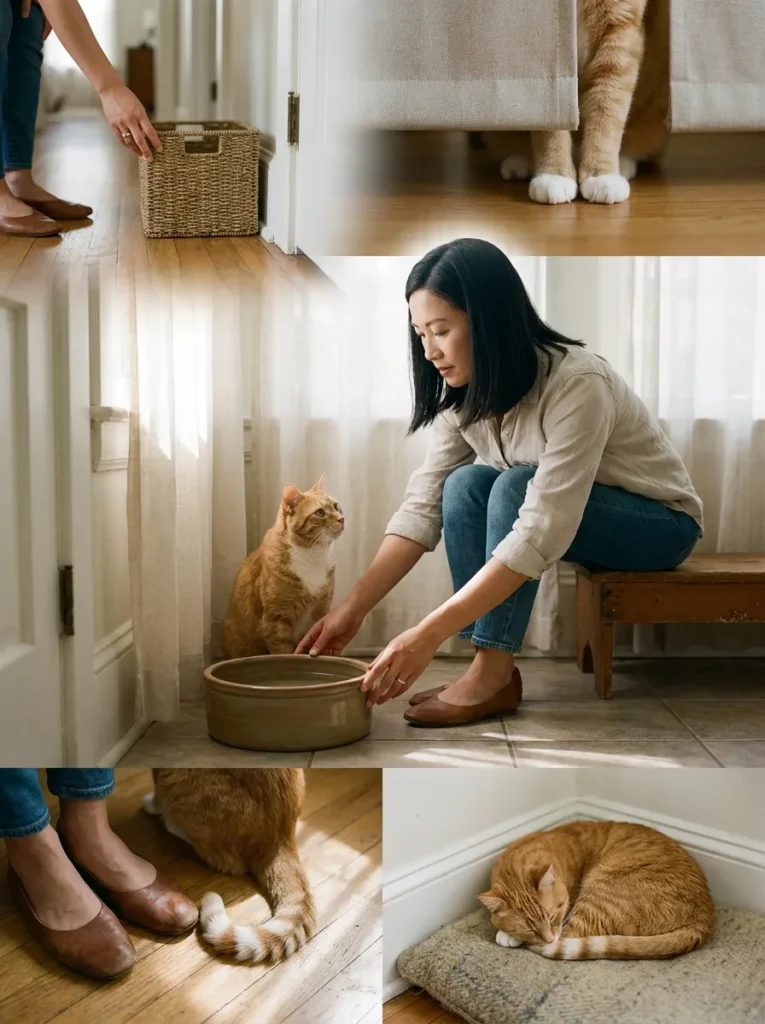
A living space can begin with one logic and acquire another through companionship. As furniture, pathways, corners, and ordinary objects shift around another life’s rhythms, the room may start revealing how much attention has quietly entered the way home is arranged.
When a Familiar Routine Suddenly Feels Unfamiliar

A long-established routine can become so woven into shared life that its stability barely registers. When that pattern changes, the disruption may seem small from the outside while leaving behind a strange question about what the routine had quietly been carrying all along.